
Research
Explore our research projects and scientific publications, showcasing how we utilise our unique data resource to study biodiversity change in Sweden.




Publications
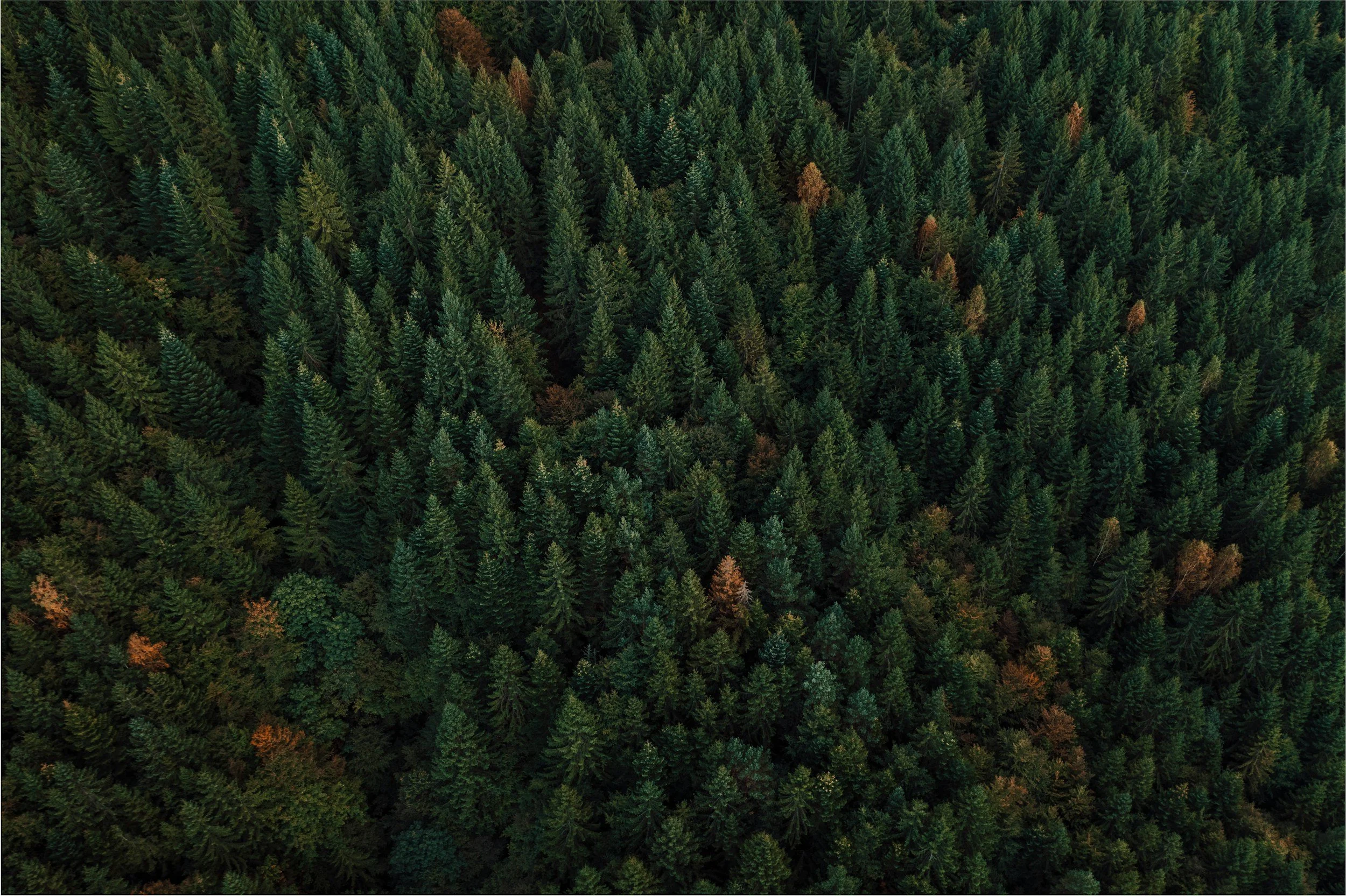
Airborne eDNA captures three decades of ecosystem biodiversity
Alexis R. Sullivan, Edvin Karlsson, Daniel Svensson, Björn Brindefalk, Jose Antonio Villegas, Amanda Mikko, Daniel Bellieny, Abu Bakar Siddique, Anna-Mia Johansson, Håkan Grahn, David Sundell, Anita Norman, Per-Anders Esseen, Andreas Sjödin, Navinder J. Singh, Tomas Brodin, Mats Forsman, Per Stenberg
Nature Communications, 2025
Main Findings:
Airborne eDNA from archived air filters captures broad ecosystem biodiversity across taxa.
Decades-old air filters preserve high-quality DNA, enabling retrospective biodiversity analysis.
Clear seasonal patterns and long-term ecological trends are detectable in airborne DNA signals.
The method recovers thousands of taxa, spanning plants, animals, fungi, and microbes.
Demonstrates the potential of airborne eDNA for long-term biodiversity monitoring across time and space.
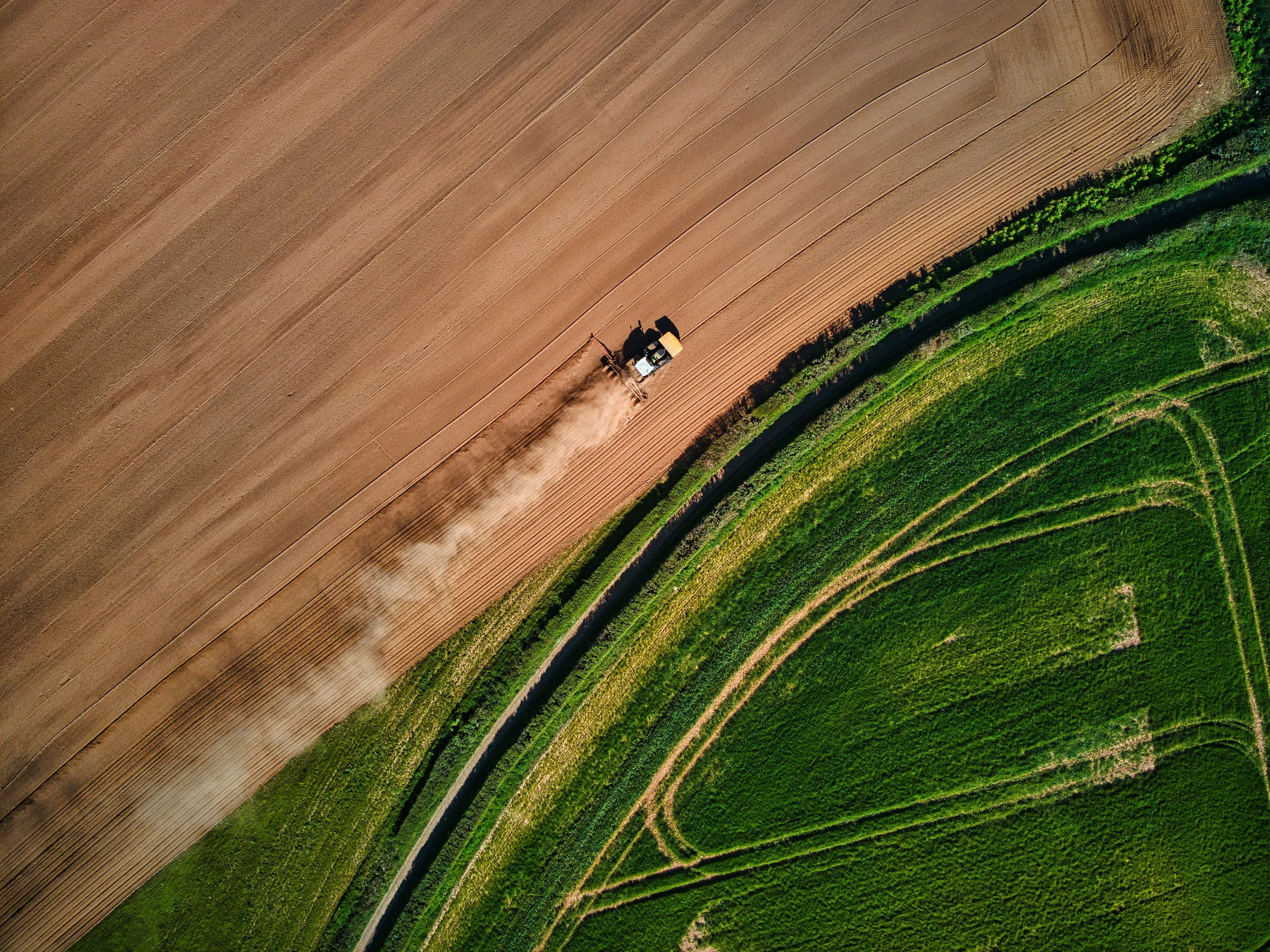
Sequencing airborne DNA to monitor crop pathogens and pests
Amanda Mikko, Jose Antonio Villegas, Daniel Svensson, Edvin Karlsson, Per-Anders Esseen, Benedicte Riber Albrectsen, Ola Lundin, Mats Forsman, Anna Berlin and Per Stenberg
iScience, 2025
Main Findings:
Archived airborne eDNA can reconstruct long-term biodiversity patterns in temperate ecosystems.
Strong seasonal turnover was detected across ecological communities throughout the year.
Seasonal dynamics of crop pests and plant pathogens could be tracked directly from airborne DNA signals.
Thousands of taxa were identified across plants, fungi, microbes, and animals.
Airborne eDNA shows strong potential for long-term ecosystem and agricultural monitoring across time and space.

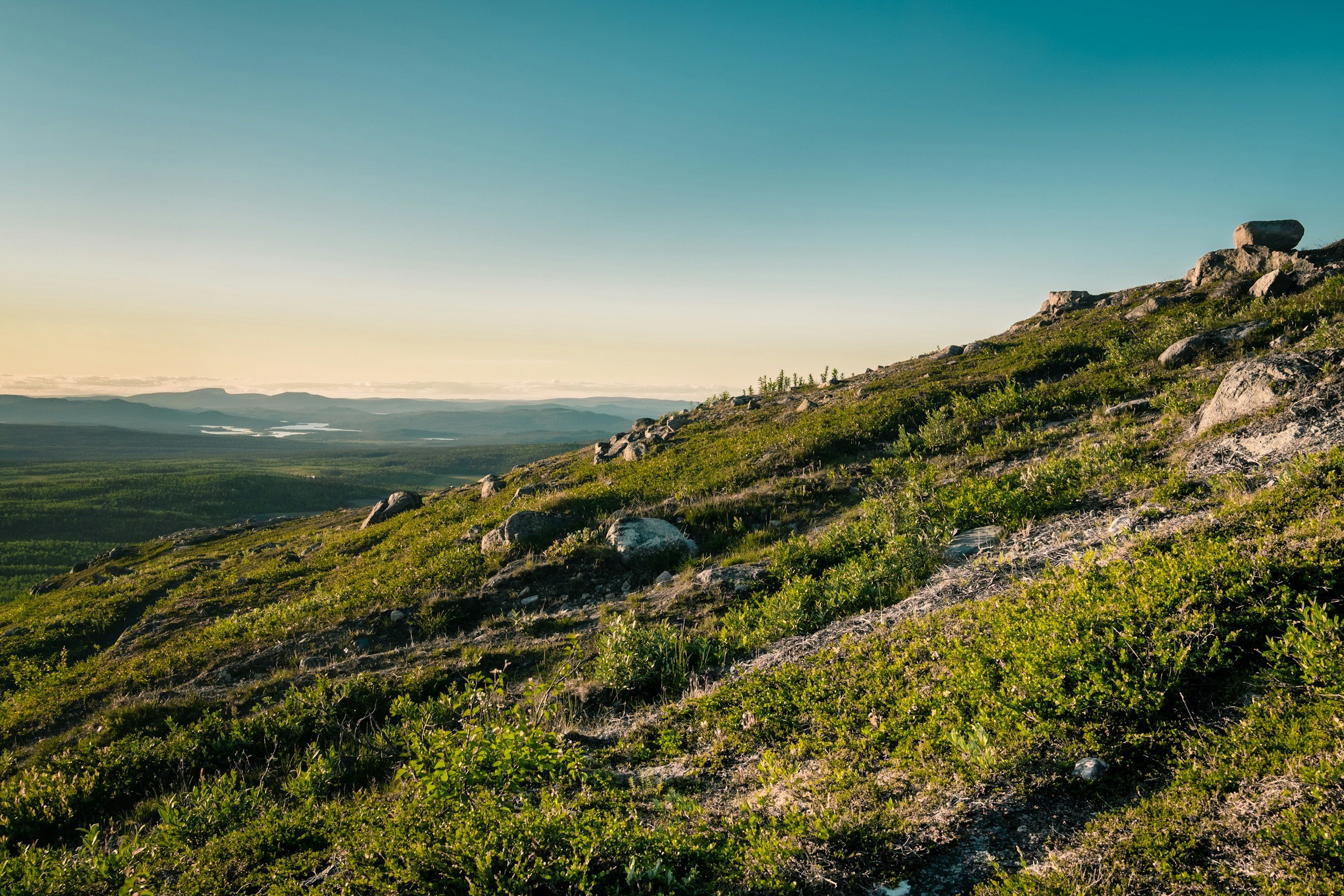
Airborne microbial biodiversity and seasonality in Northern and Southern Sweden
Edvin Karlsson, Anna-Mia Johansson, Jon Ahlinder, Moa J. Lundkvist, Navinder J. Singh, Tomas Brodin, Mats Forsman and Per Stenberg
PeerJ 16, 2020
Main Findings:
Archived air filters can be used to reconstruct airborne microbial biodiversity across time and space.
Airborne bacterial and fungal communities showed clear seasonal patterns, with diversity peaking during warmer months.
Microbial communities differed strongly between Arctic northern Sweden and temperate southern Sweden.
Agricultural and human-modified landscapes in southern Sweden were associated with lower microbial diversity and different community composition.
Local landscape, weather, and seasonality all play important roles in shaping airborne microbial communities.