
Biodiversity
We use airborne environmental DNA to capture snapshots of biodiversity across entire ecosystems. This allows us to reveal how life changes through time, space, and environment.
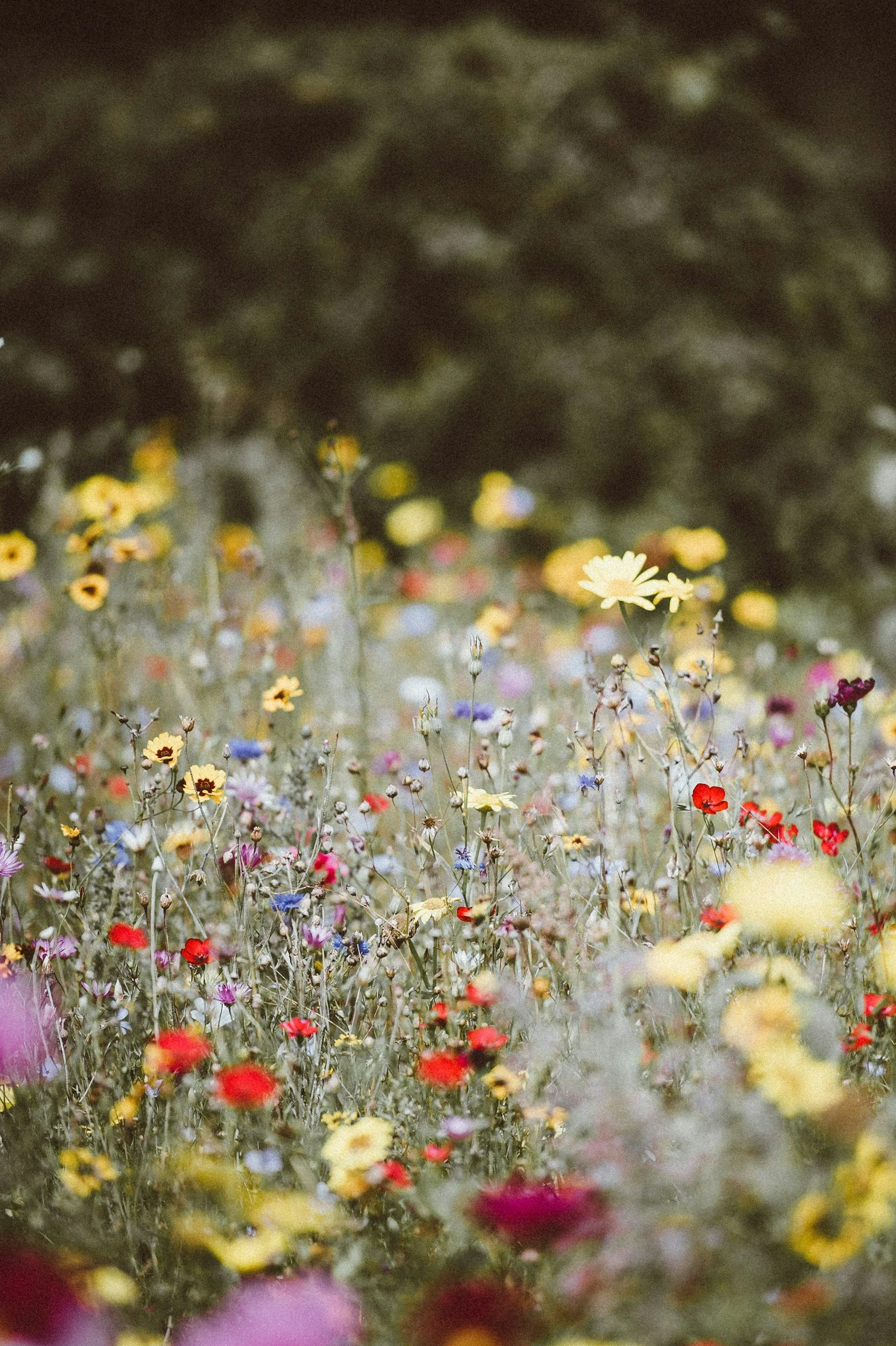
Airborne environmental DNA allows us to capture biodiversity across entire ecosystems from a single sample of air. By sequencing DNA fragments preserved on archived air filters, we can detect thousands of organisms spanning plants, fungi, microbes, and animals, including species that are otherwise difficult or impossible to monitor using traditional methods.
Because air is constantly moving and mixing across landscapes, each sample integrates biological signals from a broad surrounding area. This makes airborne DNA fundamentally different from conventional ecological surveys, which are often local, time-limited, and restricted to specific taxonomic groups. Instead, airborne DNA provides a continuous and wide-ranging view of ecosystem composition, capturing biodiversity as a collective signal rather than isolated observations.
Over time, this enables us to reconstruct how biodiversity changes across seasons, landscapes, and decades. We can identify long-term trends, detect shifts in community composition, and observe how ecosystems respond to environmental pressures such as climate change and land-use transformation. Importantly, this also allows us to compare ecosystems across very different environments, from Arctic regions to temperate forests, using a consistent methodological framework.
Together, airborne DNA provides a new way to observe biodiversity at scale — not as a snapshot of individual species, but as a dynamic, interconnected system that can be tracked through time and space.