
Swedish Biodiversity
in Time and Space
Tracking ecosystem change through decades of airborne environmental DNA
Ecosystems are being reshaped by climate change and land-use pressures. Understanding biodiversity change requires long-term data.
Our mission is to unlock a biodiversity time capsule to understand ecosystem change through long-term airborne environmental DNA.
SweBITS is a multidisciplinary, collaborative research project using a unique and growing 60-year archive of airborne environmental DNA (eDNA) to understand how biodiversity changes across Sweden through time and space.
What we do
We use eDNA from long-term air filter archives to reconstruct how ecosystems have changed over time. By applying high-throughput sequencing to weekly samples collected across Sweden since the 1960s, we can monitor all groups of organisms, from microbes to mammals, from water to land, across decades.
This approach provides a powerful “molecular time machine” for identifying ecological baselines and tracking long-term changes in biodiversity, phenology, gene abundance, and genetic diversity. It also enables detection of emerging biological threats such as pathogens and invasive species. By combining our air filter eDNA data with climate and land-use data, we can assess ecosystem impacts and generate knowledge for conservation, biosecurity, and sustainable resource management.
Our long-term goal is to establish a national analytical centre for Sweden, enabling systematic use of air filter–based eDNA to monitor and understand biodiversity change across time and space.
Our data
We work with a network of six long-term airborne eDNA time series from across Sweden, spanning contrasting ecological conditions from Arctic to temperate environments. All sites are sampled weekly and stored as part of a continuous national archive.
Currently, our analyses focus on the Kiruna and Ljungbyhed time series, which are the only sites sequenced to date. The remaining four sites are not yet processed and represent a major opportunity for future expansion of the dataset.
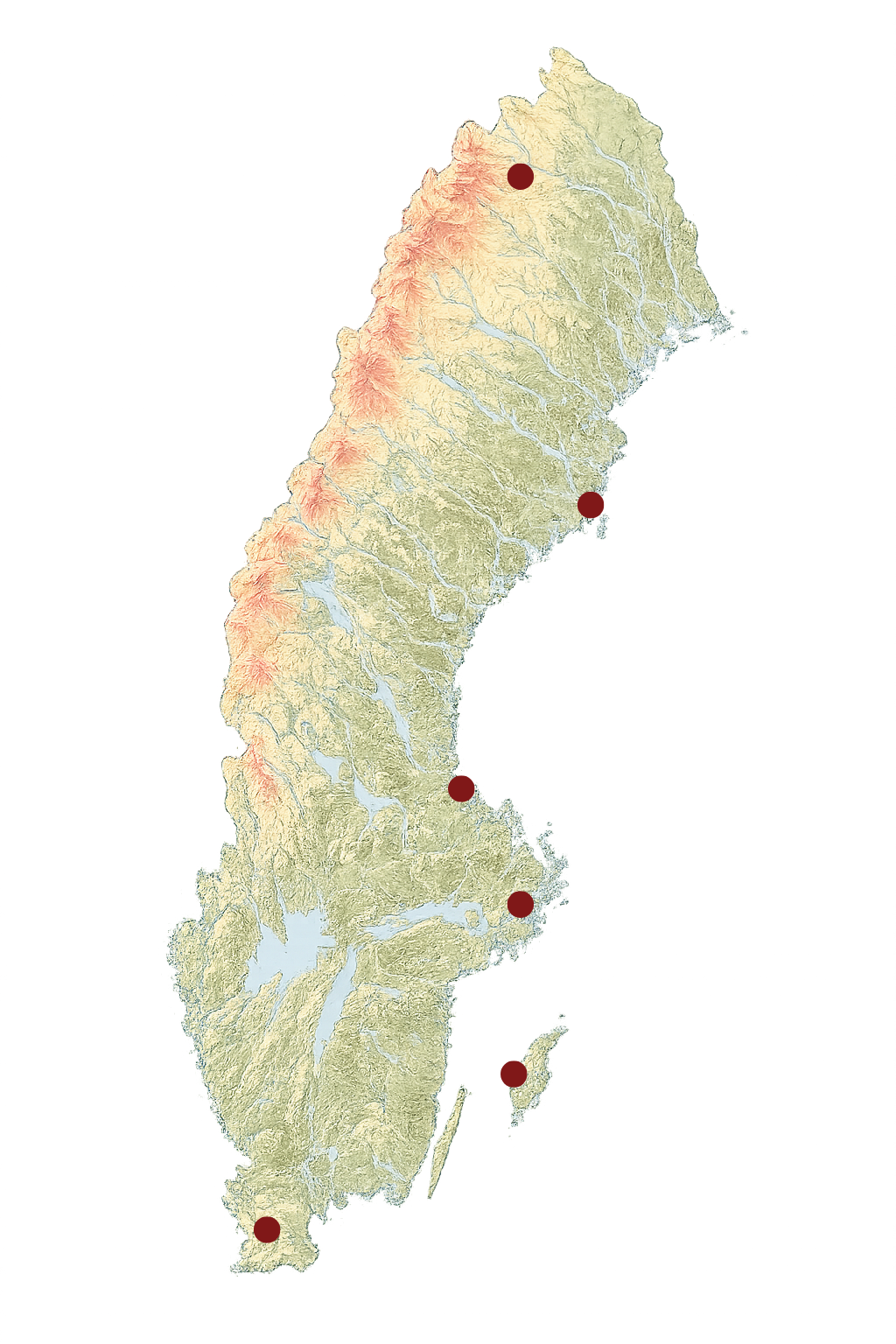
Kiruna
Umeå
Gävle
Kista
Visby
Ljungbyhed
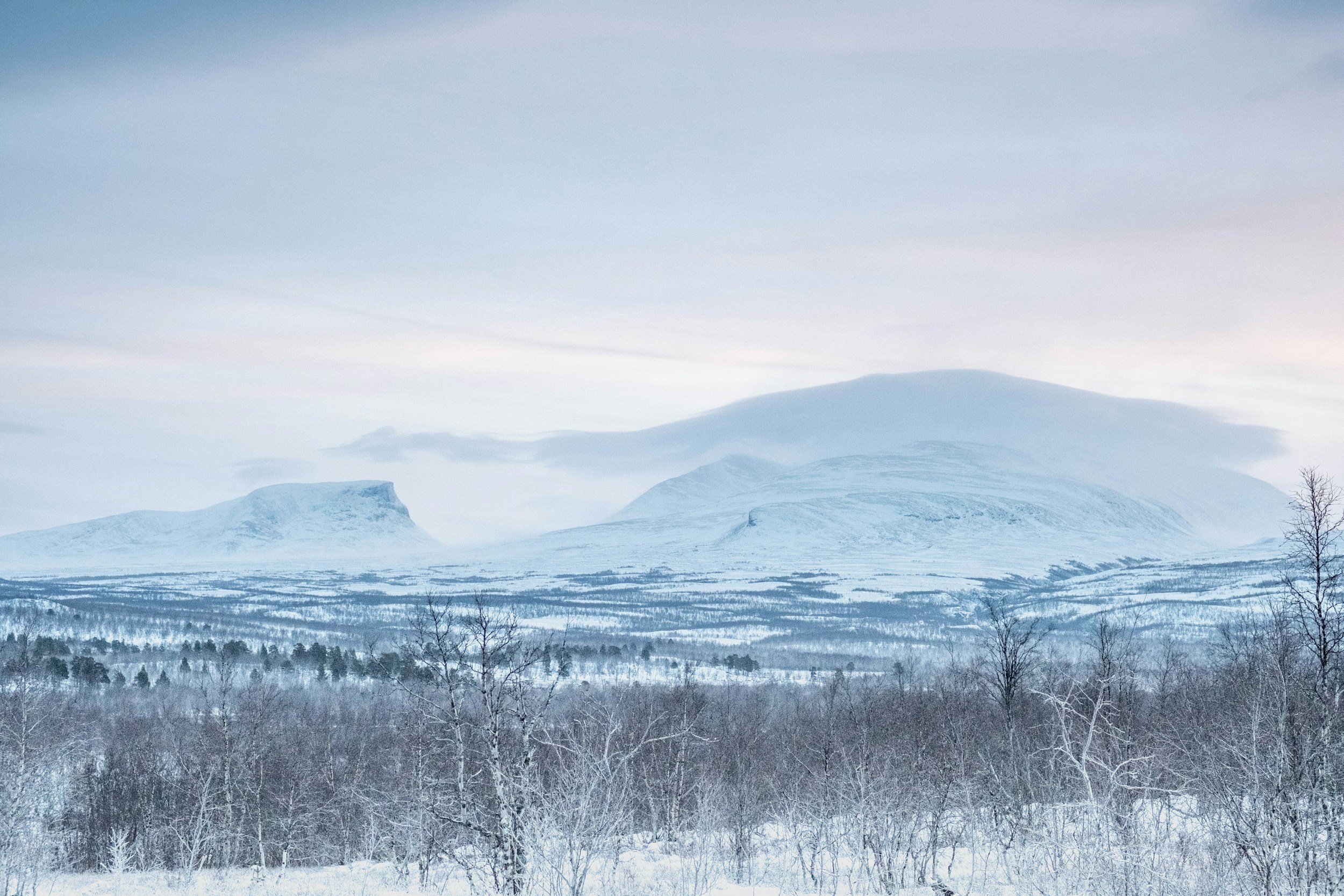
40 Years of Arctic Biodiversity Change
A long-term airborne eDNA time series from Kiruna in Arctic Sweden reveals how biodiversity changed between 1974 and 2008. We demonstrate long-term, land-use-associated shifts in Arctic biodiversity detectable over more than three decades.
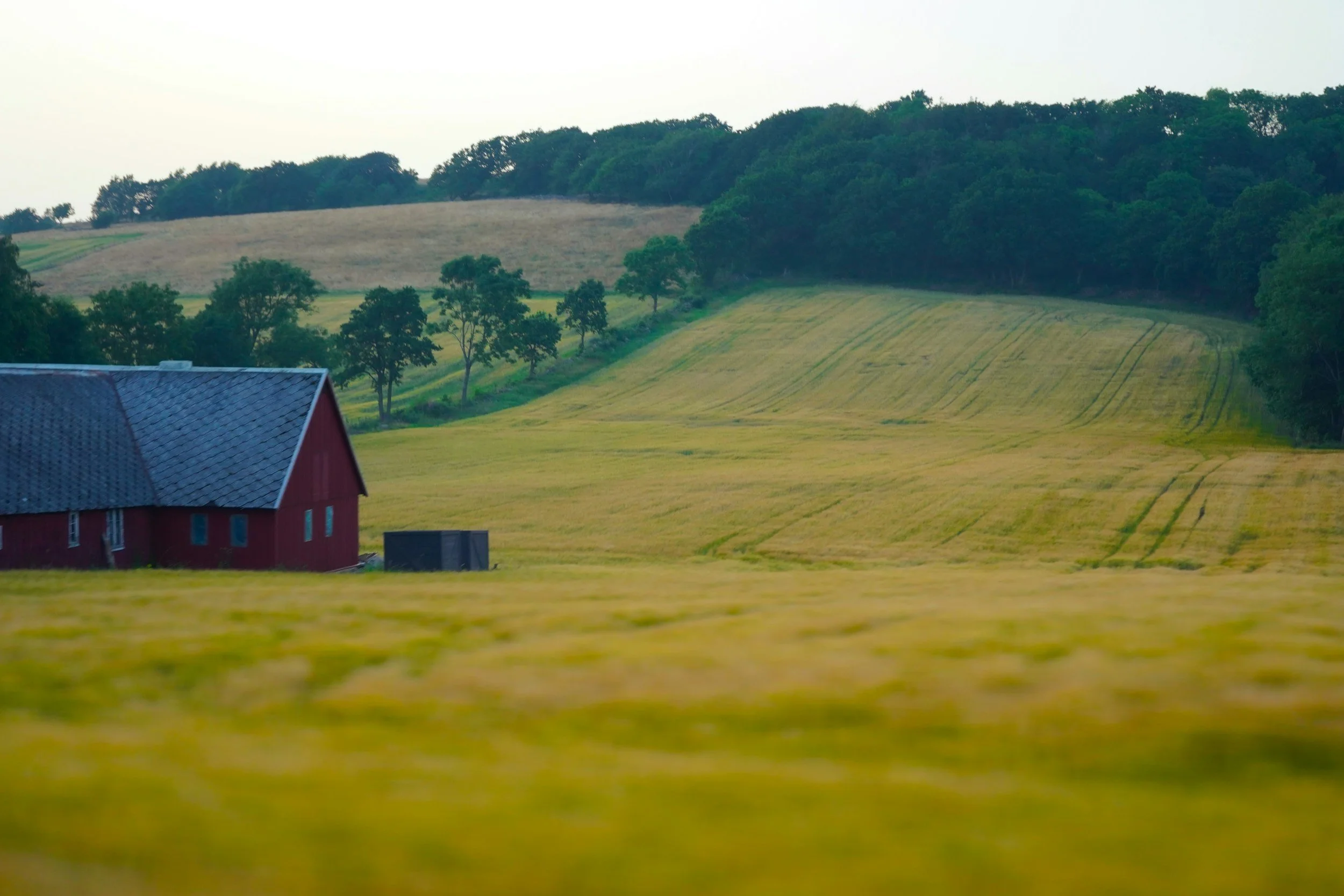
Long-Term Biodiversity Change in Southern Sweden
A long-term airborne eDNA time series from Ljungbyhed in Skåne reveals strong seasonal patterns in biodiversity and offers unique insights into how ecosystems respond to environmental and land-use change.

“The archive turned out to be a time machine, allowing us to revisit the past and watch an ecosystem changing in almost real time.”
— Per Stenberg, Project Leader