
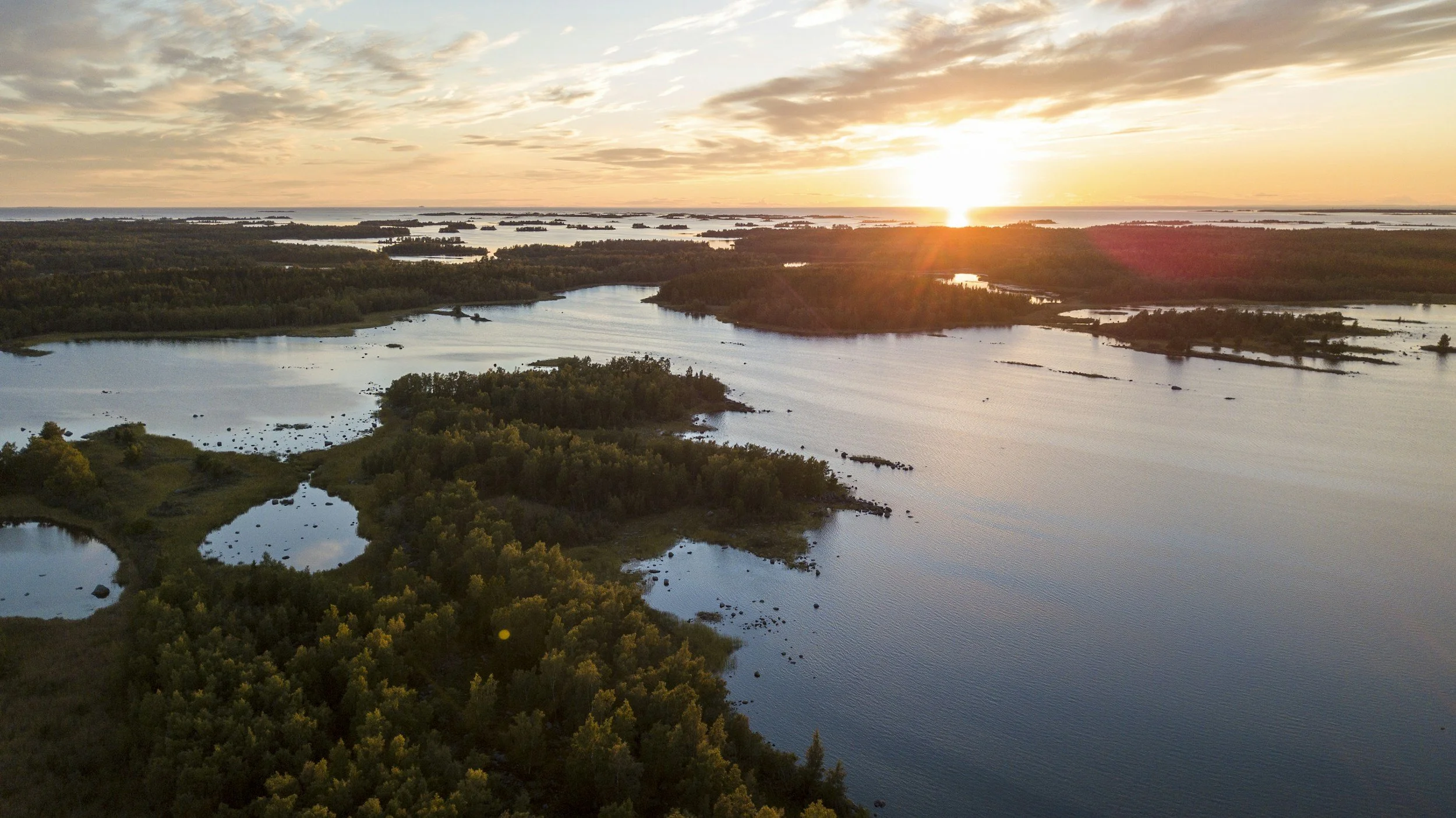
Since the 1960s, we have been capturing DNA in the air across Sweden
Decoding this DNA tells a story
Who are we?
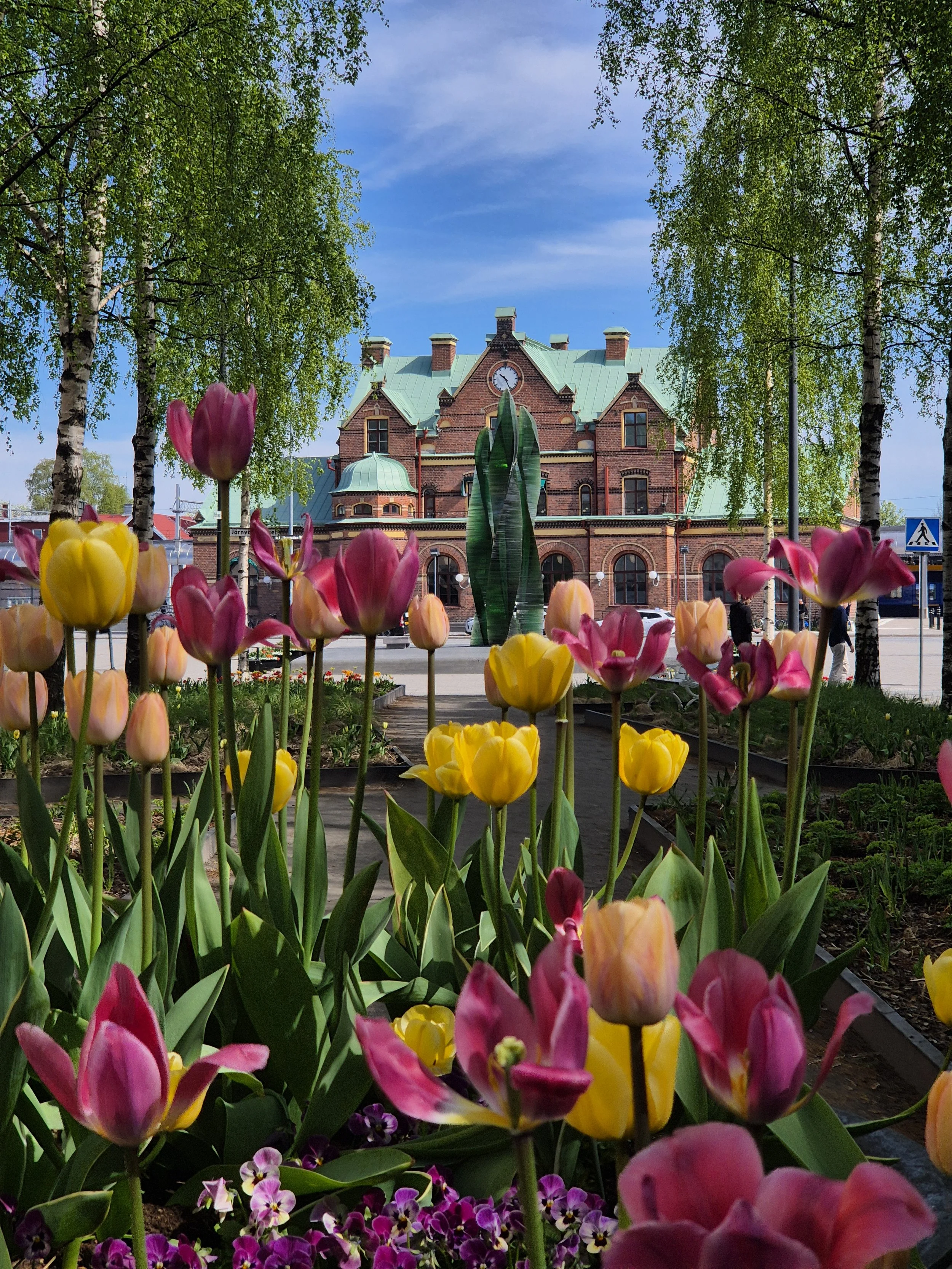
SweBITS is a collaborative research initiative involving Umeå University, the Swedish Defence Research Agency (FOI), and the Swedish University of Agricultural Sciences (SLU).
Our focus is on reconstructing ecological history using DNA preserved in the air, allowing us to study ecosystems that are otherwise impossible to observe retrospectively.
We aim to reconstruct and continuously monitor how biodiversity changes across Sweden through time using a growing archive of airborne environmental DNA (eDNA).
An unexpected archive in the air
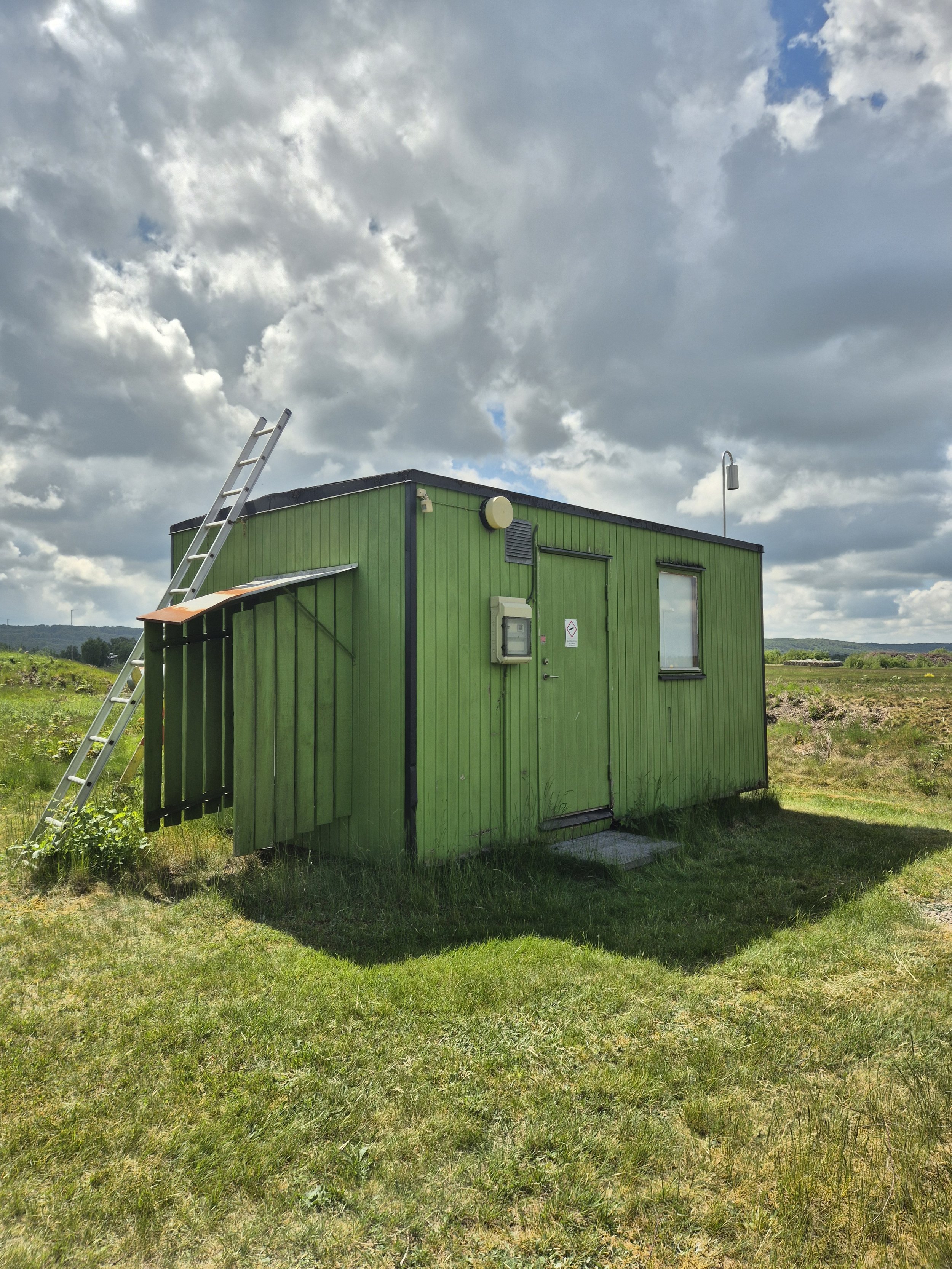
Our data set is built from archived air filters collected weekly across Sweden since the 1960s. Originally deployed during the Cold War era for radionucleotide monitoring, these filters were never intended for biodiversity research — yet they now form a unique biological archive.
Each week, these monitoring stations filter more than 100,000 m³ of air from the surrounding environment. As airborne particles accumulated on the silica-based filters, they also captured traces of eDNA. The silica matrix helped preserve this DNA over decades, creating a molecular record of the organisms present in the environment at the time of sampling.
Notably, this monitoring system contributed to Sweden’s early detection of radioactive fallout from the Chernobyl disaster in 1986, when Sweden became the first country outside the Soviet Union to detect and report elevated radiation levels.

From air to DNA sequences
We extract eDNA from the archived air filters and apply high-throughput shotgun sequencing to obtain hundreds of millions of short DNA reads.
Through advanced bioinformatic analysis we then convert these reads into ecological data, capturing thousands of taxa representing all branches of the tree of life — including microorganisms, fungi, plants and animals (even fish!).
This allows us to reconstruct biodiversity directly from the air, across both time and space.
A unique ecological record
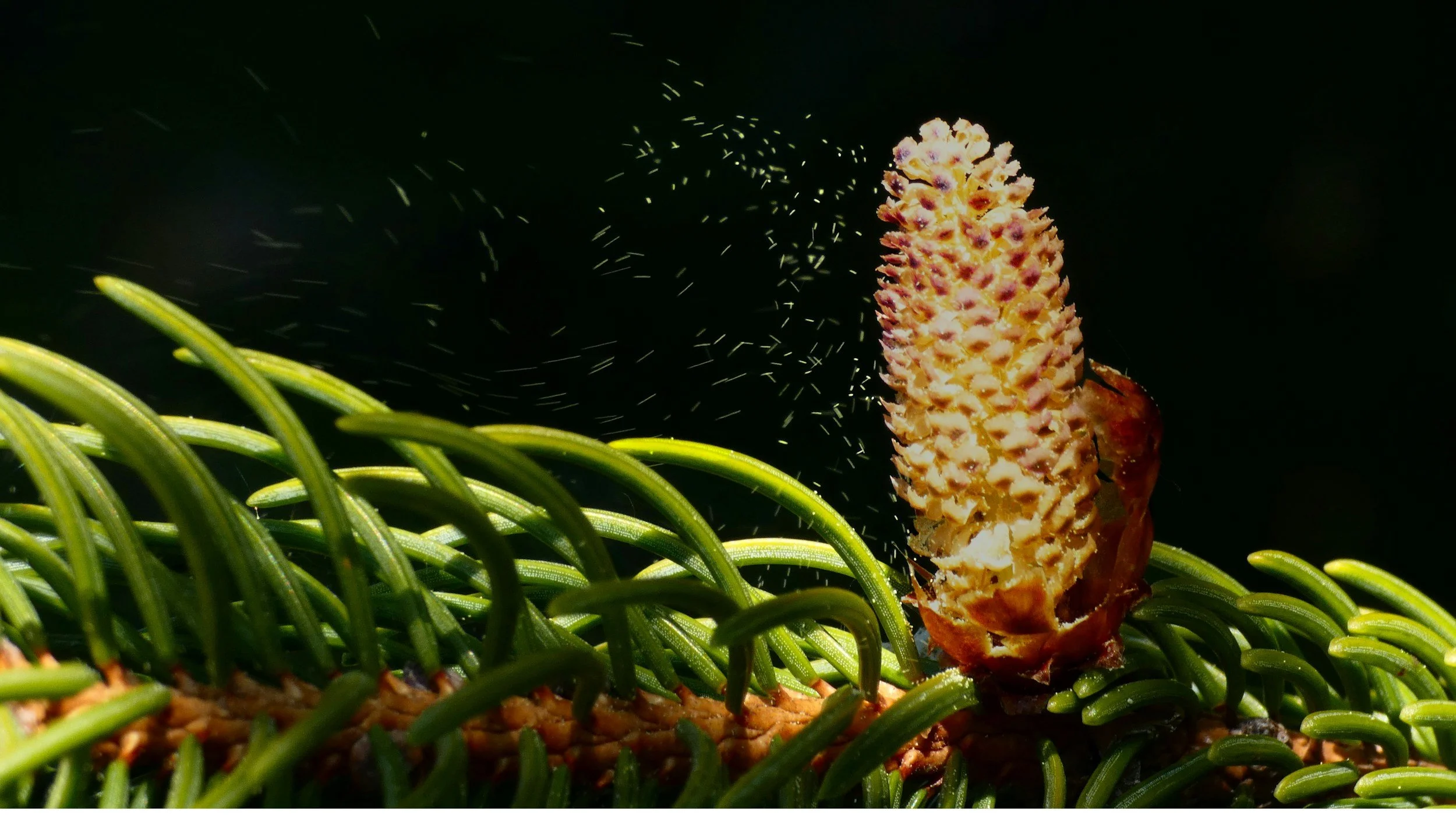
What makes this system unique is not only the diversity of organisms it captures, but the structure of the data itself. Because air is continuously sampled through the same monitoring stations over long periods of time, it creates an uninterrupted and standardised time series of biodiversity signals.
Unlike traditional ecological sampling, which is often spatially limited, taxon-specific, or short-term, this archive provides consistent weekly sampling across decades. This makes it possible to track ecological change without gaps, and without changes in methodology over time.
The result is a rare ecological record: a long-term, unbiased baseline of biodiversity that integrates signals from across entire landscapes. It captures organisms across all branches of the tree of life, while also preserving the temporal continuity needed to study change.
Together, this enables us to move beyond snapshot observations of biodiversity and instead reconstruct how ecosystems have changed continuously over time — something that is not possible with traditional sampling alone.
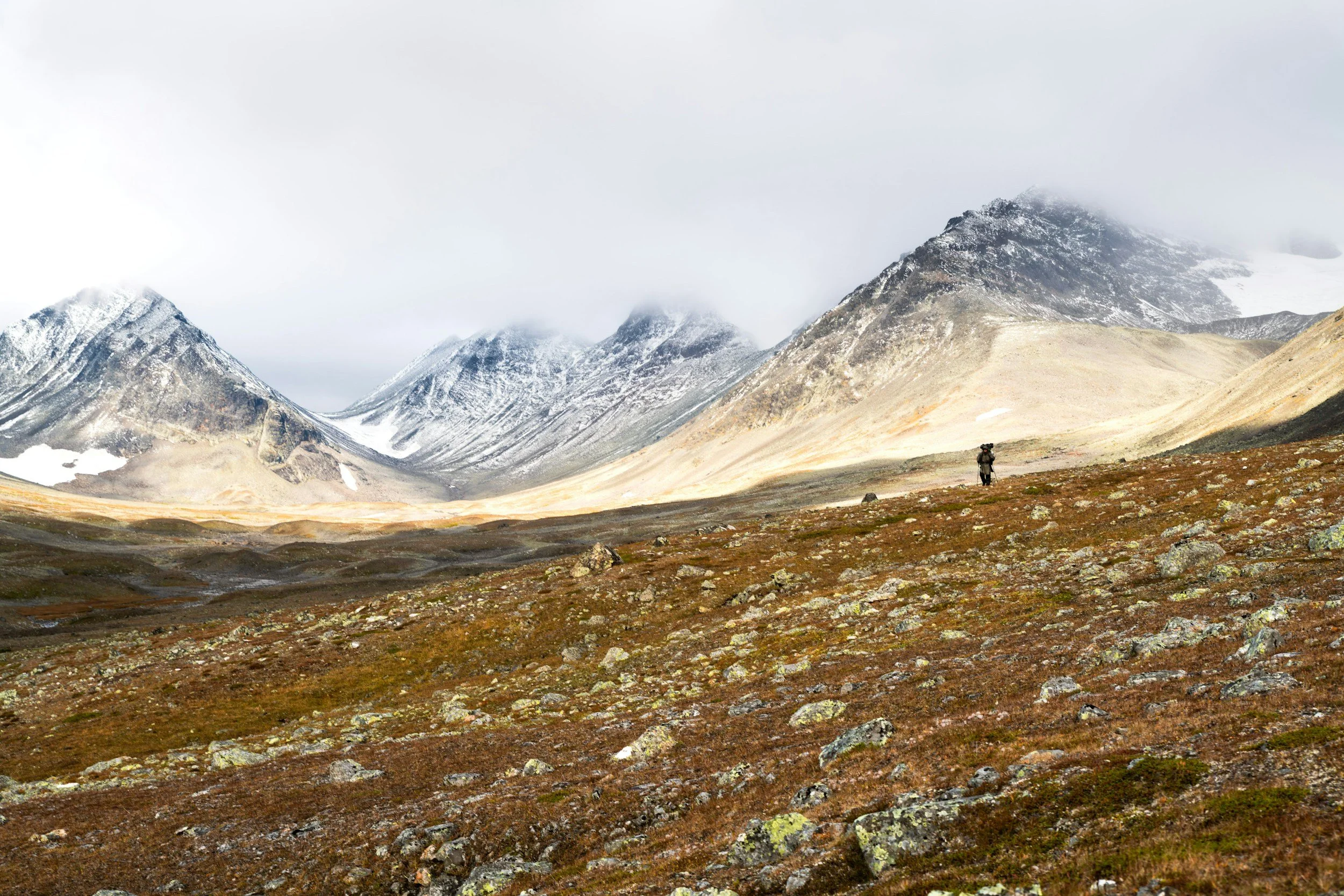
An Arctic record of change
In Kiruna, northern Sweden, we analyse a long-term airborne eDNA time series spanning 1974 to 2008, capturing biodiversity change in an Arctic ecosystem over four decades.
The results reveal clear long-term shifts in ecological communities, showing sustained ecosystem restructuring in response to environmental variability and climate-driven change.
We show that eDNA preserved in archived air filters captures broad ecosystem biodiversity across taxa, recovering thousands of organisms including plants, fungi, microbes, and animals. Remarkably, decades-old filters preserve high-quality DNA, enabling retrospective biodiversity analysis over long time periods.
The data reveal strong seasonal structure alongside long-term ecological trends, showing that both short-term dynamics and multi-decadal change can be reconstructed from airborne DNA signals.
We find that biodiversity change is associated with land-use pressures, including forestry intensity, suggesting industrial landscape transformation as a key driver of ecological change in northern Sweden.
The approach also captures unexpected ecological signals, including detections of species such as reindeer and moose, as well as marine-associated DNA (e.g. cod likely transported through atmospheric processes), highlighting the sensitivity and reach of airborne DNA monitoring.
Together, these results provide a rare multi-decadal view of Arctic ecosystem dynamics reconstructed from archived air filters, and demonstrate the potential of this approach for long-term biodiversity monitoring across space and time.
The first analysis of the Kiruna time series is published in Nature Communications.
Biodiversity dynamics in Southern Sweden
In Ljungbyhed, Skåne, we analyse a long-term airborne eDNA time series capturing biodiversity in a temperate and highly human-influenced landscape in southern Sweden.
The results reveal strong seasonal turnover in community composition, with pronounced shifts in biodiversity between spring, summer, autumn, and winter, overlaid with longer-term ecological change. In contrast to Arctic systems, temperate ecosystems show higher short-term variability, reflecting the strong influence of seasonal cycles on ecosystem structure and species presence.
We recover thousands of taxa spanning plants, fungi, microorganisms, and animals from airborne DNA preserved in archived air filters. This includes a broad representation of terrestrial and airborne biodiversity, demonstrating that atmospheric DNA can capture complex ecological communities even in fragmented and human-modified environments.
Importantly, we show that biodiversity patterns in southern Sweden are shaped by a combination of climatic seasonality, local habitat dynamics, and land-use change. These interacting drivers create a highly dynamic ecological signal, where short-term seasonal processes are superimposed on longer-term environmental change.
The data further demonstrate that airborne eDNA can reliably reconstruct ecosystem composition across both space and time, providing a new way to observe biodiversity dynamics in landscapes that are heavily influenced by human activity.
Together, these results provide a detailed, high-resolution view of temperate biodiversity dynamics and highlight the potential of airborne eDNA as a tool for long-term ecological monitoring across contrasting environments.
The first analysis of the Ljungbyhed time series is published in iScience.

Funding
The SweBITS project is proudly supported by:
FORMAS
Swedish Research Council
Swedish Defence Research Agency
SciLifeLab
Industrial Doctoral School
Kempe Foundations
We are deeply grateful for this financial support, which enables the development of airborne eDNA methods and long-term biodiversity monitoring across Sweden