
Phenology
Airborne DNA captures the timing of biological events across ecosystems. This allows us to study how seasonal cycles in nature shift over time.
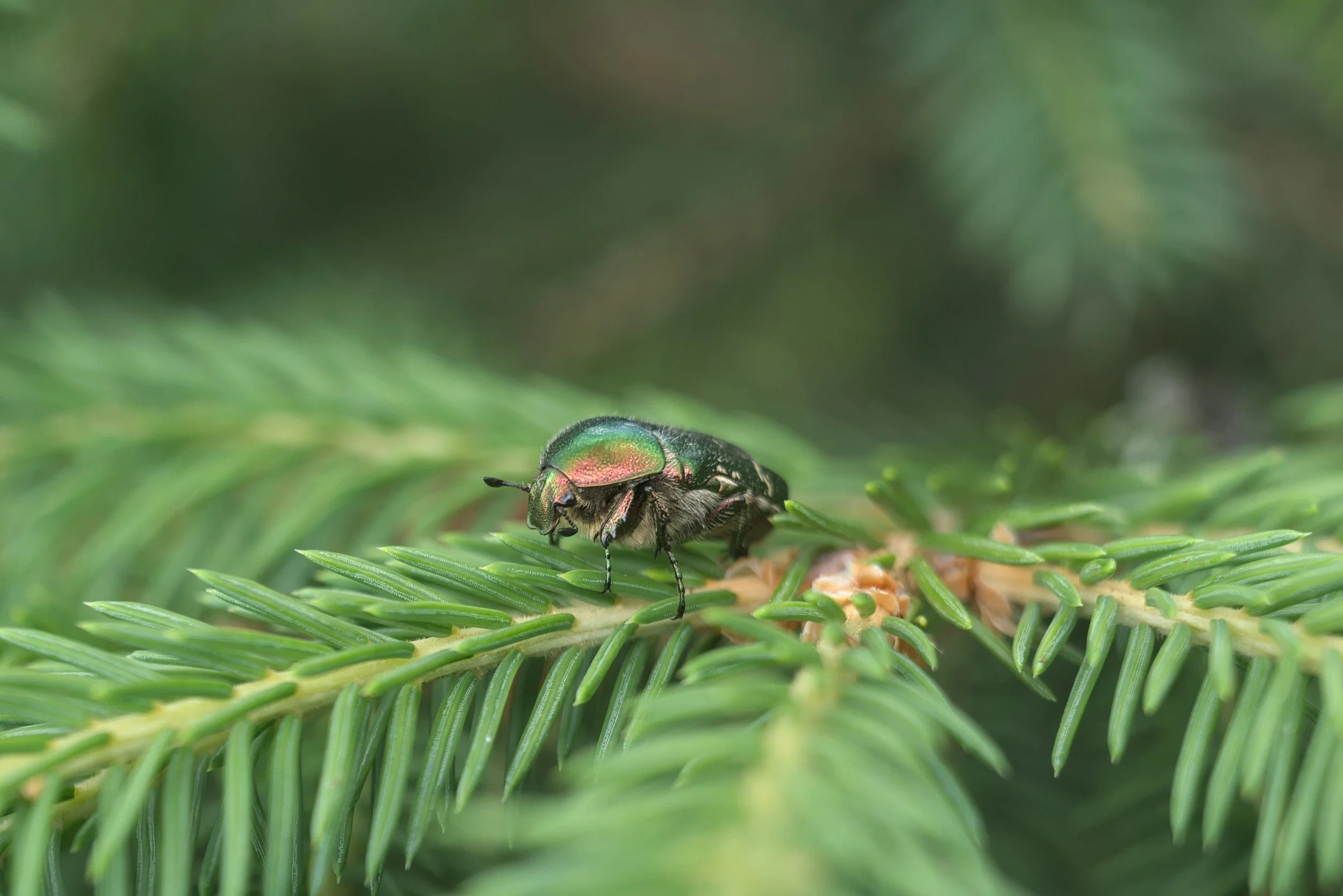
Phenology refers to the timing of biological events such as flowering, insect emergence, reproduction, migration, or seasonal microbial activity. These seasonal patterns are highly sensitive to environmental conditions and are increasingly affected by climate change.
Airborne environmental DNA captures these seasonal rhythms by recording when different species appear and disappear in the environment. Because samples can be collected repeatedly over time, they provide a continuous record of ecological activity throughout the year.
This allows us to study how seasonal dynamics vary across ecosystems and how they shift over longer time periods. For example, some species may appear earlier or persist longer in response to changing temperatures, while others may shift their seasonal windows or decline in abundance.
By combining many years of data, we can also investigate whether seasonal cycles themselves are becoming more variable or less predictable. This is particularly important in regions where climate change is altering the timing of biological processes.
Airborne DNA therefore provides a new way to study phenology not just for individual species, but for entire ecosystems, capturing how seasonal structure emerges from the collective activity of many organisms.