
Gene functions
Airborne DNA contains fragments of functional genes, providing insight into how ecosystem processes and biological functions change over time, including the presence and dynamics of antibiotic resistance genes.
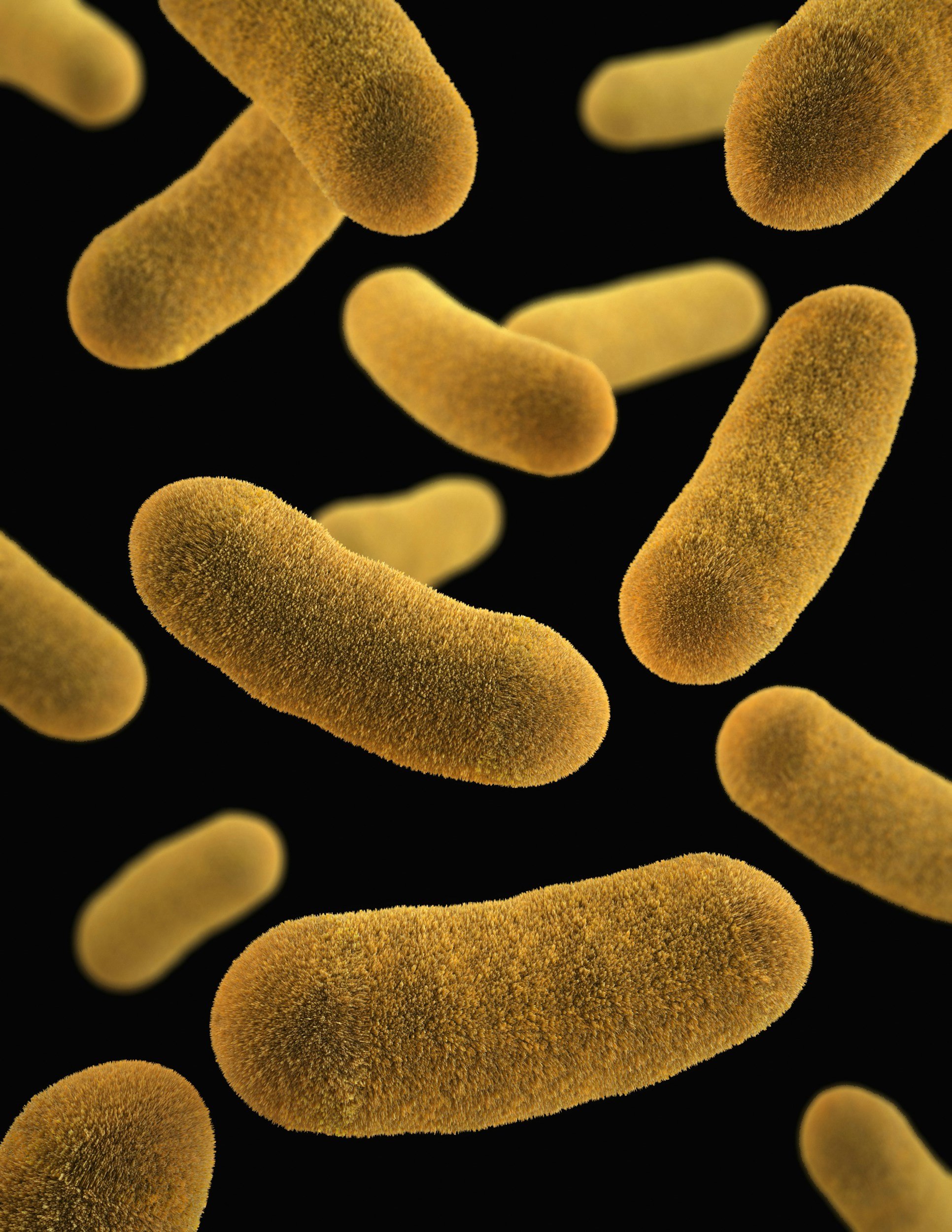
Airborne environmental DNA contains not only information about which organisms are present, but also fragments of functional genes. These genes provide insight into the biological processes taking place within ecosystems.
By analysing functional genetic material in environmental samples, we can begin to explore how ecosystem processes change over time. This includes functions related to nutrient cycling, stress responses, decomposition, and microbial activity, which are fundamental to ecosystem functioning.
In addition, airborne DNA can capture signals associated with genes of particular environmental relevance, such as those linked to pathogenicity or antibiotic resistance. These signals provide a window into how microbial communities respond to environmental pressures, including human activity and pollution.
Although this is an emerging area of research, it opens the possibility of tracking ecosystem function alongside biodiversity. Rather than focusing only on which species are present, we can begin to understand what ecosystems are doing and how their functional potential changes through time.
This represents an important step toward a more complete view of ecosystem dynamics, linking biodiversity, function, and environmental change within a single observational framework.