
Species monitoring
We can detect species simply from their DNA traces in the air. This enables large-scale, non-invasive monitoring of biodiversity, including rare and hard-to-observe organisms.
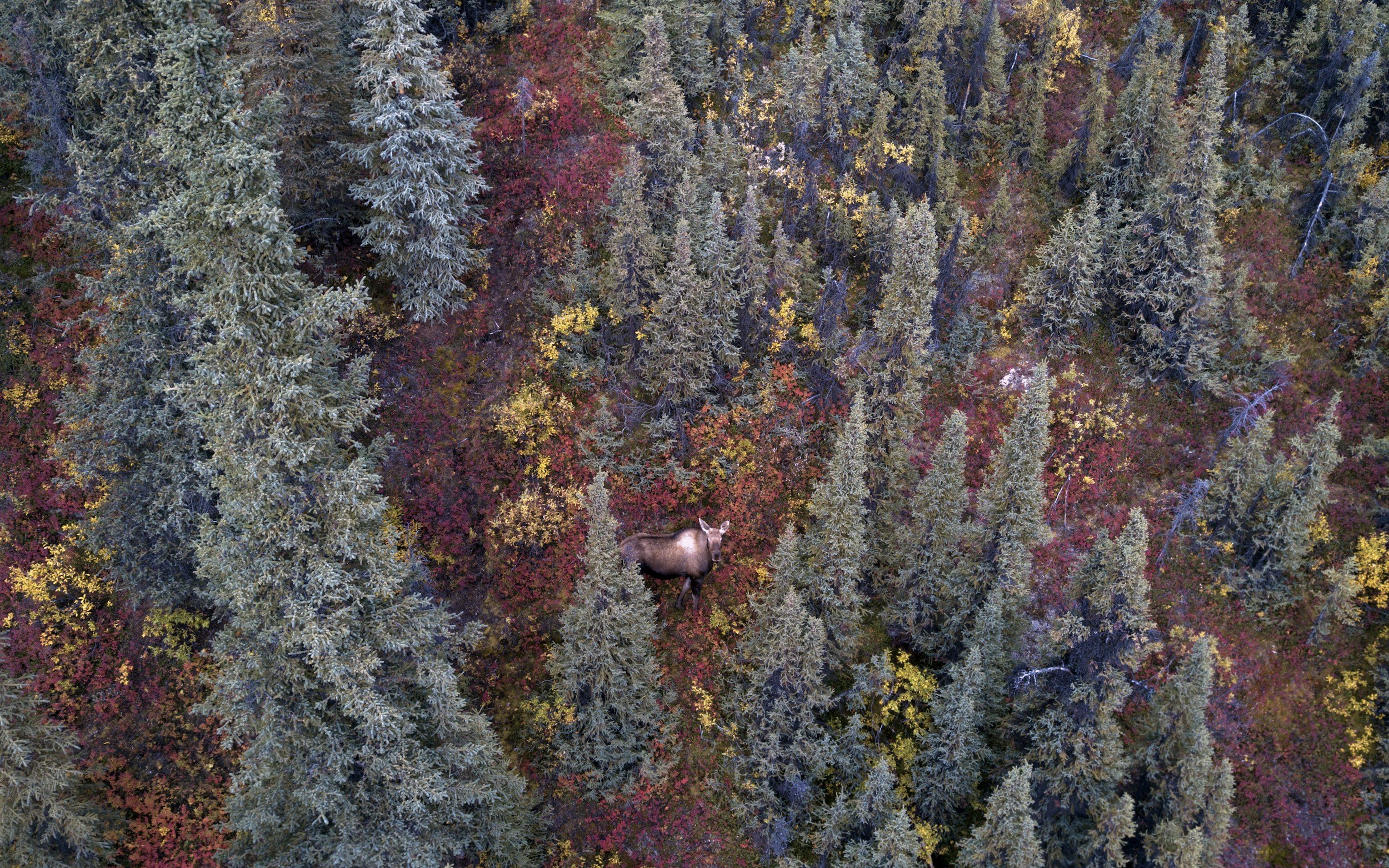
Airborne environmental DNA enables a fundamentally new approach to species monitoring. Instead of relying on visual observations, trapping, or targeted surveys, we can detect species through the genetic traces they leave in the air.
As organisms interact with their environment, they shed DNA through skin cells, pollen, spores, excretions, and other biological material. These fragments become airborne and can be captured and identified from environmental samples. This makes it possible to detect a wide range of species, including those that are rare, elusive, nocturnal, or otherwise difficult to observe using traditional methods.
Because each air sample integrates signals from a surrounding area, it provides a broad snapshot of local biodiversity at a given point in time. When repeated over long periods, this creates a powerful monitoring system capable of tracking changes in species presence, abundance signals, and distribution patterns.
This approach is particularly valuable for long-term monitoring, where consistent and repeated sampling allows trends to be distinguished from short-term variation. It also enables monitoring across large spatial scales without the need for intensive field campaigns in every location.
Airborne DNA therefore complements traditional ecological surveys by expanding what can be detected, where it can be detected, and how frequently monitoring can occur.